Should You Ceramic Coat a Classic Car?
It depends on the paint and the car's purpose. On a repainted or restored classic driven regularly, a coating is usually a good decision. On original, unrestored single-stage paint — especially on a car judged for originality — the polishing required beforehand removes irreplaceable material, and a careful wax or sealant program is often the wiser choice.
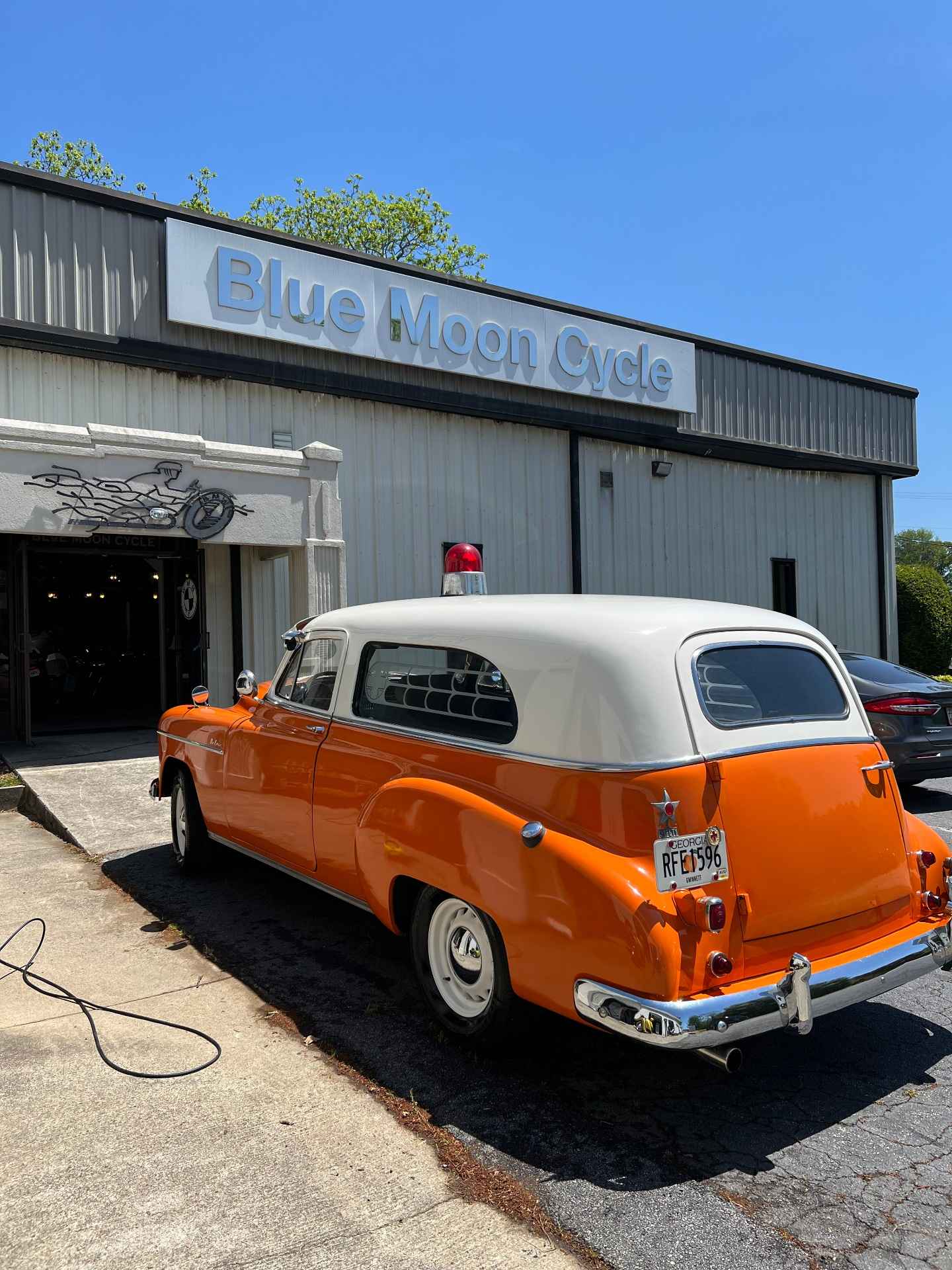
Why original single-stage paint changes the math
Cars built before roughly the mid-1980s typically used single-stage paint: the color and the gloss are the same layer, with no clear coat above them. When you polish it, you are removing color. Rub a panel with a white pad and you'll see pigment on the pad.
Because coatings require polished, decontaminated paint to bond properly, coating an original single-stage car means committing to removing some of a finite, unrepeatable finish. On a survivor car, that's a real cost — see why single-stage paint requires specialized detailing.
When coating a classic makes sense
- ●The car has been repainted with modern base-coat/clear-coat
- ●It's driven regularly — cruises, tours, weekend miles
- ●It's stored somewhere humid or occasionally parked outside
- ●The owner wants easier washing and fewer contact cycles
- ●Value is driven by condition and usability rather than untouched originality
For a restored car that gets driven, a coating reduces how often you have to touch the paint, and touching the paint is where damage happens.
When it usually doesn't
- ●Original, unrestored paint with thin or unknown film build
- ●Cars entered in preservation or originality classes
- ●Patina cars where the surface character is the point
- ●Vehicles stored indoors and rarely driven, where a wax program is easily maintained
Any competent shop should measure paint thickness before touching an older car. If nobody mentions measuring, that's your answer about how carefully they'll work.
The middle path
There is a great deal of room between "coat it" and "do nothing." A light cleaner-wax or a modern sealant provides months of protection with essentially no material removal. Some owners coat the underside, wheels, and glass while leaving original body paint waxed.
Storage matters more than either option. Humidity control, a breathable cover, and consistent light maintenance preserve more value than any product — see our collector and classic car care guides.
How to decide
- 01Establish what the paint is: original single-stage, older repaint, or modern refinish.
- 02Measure film thickness across the car, not just one panel.
- 03Decide what the car is for — shows, tours, or investment storage.
- 04Choose the least invasive option that meets that purpose.
For show-bound cars we handle this as part of concours and show prep, where preservation always takes priority over gloss.
Frequently Asked Questions
Is ceramic coating safe for original paint on classic cars?
The coating chemistry is safe. The risk is the polishing required beforehand, which permanently removes some original material. On a survivor car, that's the deciding factor.
Can a coating be removed later?
Only by polishing it off — which means removing more material. That's a reason to be conservative on irreplaceable paint.
Will a coating hurt the value of a collector car?
Not by itself. Aggressive polishing of original paint can. Document whatever is done to the car either way.
Written by 833 Auto Spa
833 Auto Spa is a concierge mobile detailing company serving luxury, exotic, collector, and daily-driven vehicles throughout Atlanta and North Georgia — including Alpharetta, Milton, Roswell, Johns Creek, Suwanee, Peachtree Corners, and Buford. Our guides are written from the work we do in client garages, not from product catalogs.
Continue Reading
Not Sure What Level of Care Your Vehicle Needs?
833 Auto Spa provides professional mobile detailing, paint correction, ceramic coatings, and ongoing vehicle care throughout North Atlanta. Tell us about your vehicle and we'll give you a straight recommendation.