How Often Should You Detail Your Car?
For most regularly driven vehicles, a full professional detail every three to six months, supported by proper maintenance washing in between, is enough. How often your car actually needs one depends on where it's parked, how many miles it sees, whether it has a ceramic coating or film, and the standard you want to hold it to. Garage-kept weekend cars can stretch further; vehicles that live outside under Georgia pines usually need more.
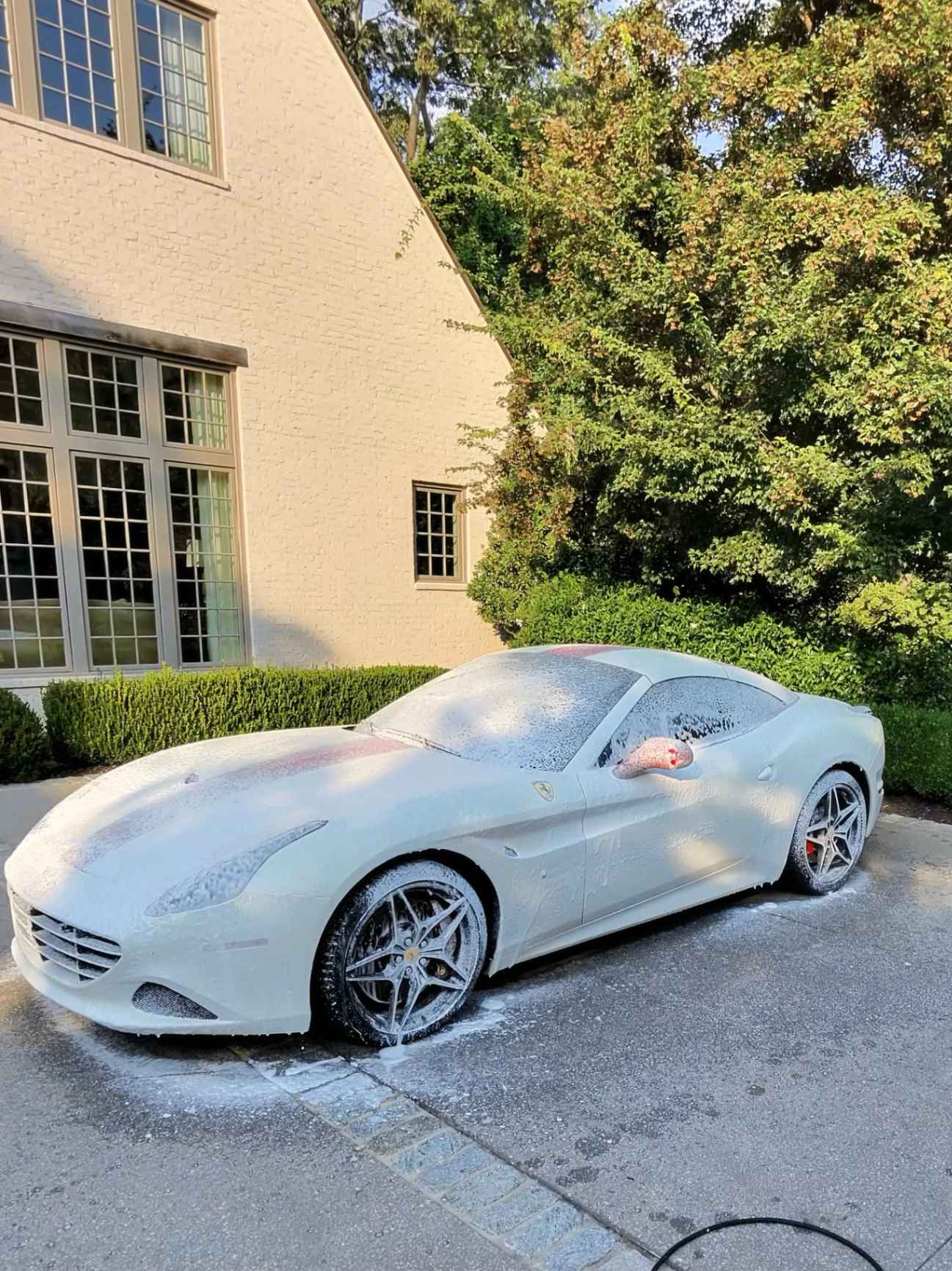
First, separate detailing from washing
A lot of confusion about frequency comes from using one word for two different things. Washing is maintenance — removing the dirt that has landed on the car since last time. Detailing is restorative — decontaminating the paint, cleaning what washing can't reach, and re-establishing protection.
You wash often. You detail occasionally. A car that is washed correctly needs detailing far less frequently than one that is never washed or washed badly.
A realistic baseline schedule
| Vehicle situation | Maintenance wash | Full detail |
|---|---|---|
| Daily driver, parked outside | Every 1–2 weeks | Every 3 months |
| Daily driver, garage kept | Every 2–3 weeks | Every 4–6 months |
| Weekend / enthusiast car | After each use | Every 6 months |
| Ceramic-coated vehicle | Every 2 weeks | Annual inspection + decon |
| Collector car, rarely driven | Dusting / rinseless as needed | Every 6–12 months |
Treat this as a starting point rather than a rule. The right interval is the one that keeps the car in the condition you want without over-touching the paint — every wash carries a small amount of risk, so more is not automatically better.
What actually changes the interval
Where the car sits
This matters more than mileage. A car parked under pine and oak in Milton or Roswell collects pollen, sap, and bird droppings whether it moves or not — all three etch clear coat if left. A car in a sealed garage is mostly fighting dust and humidity.
What protection is on the paint
A properly installed ceramic coating doesn't reduce how often you wash — it reduces how hard washing has to be, and how much contamination bonds in between. Coated cars typically need fewer corrective details and more consistent light maintenance.
Paint color and finish
Black, dark grey, and deep blue show everything: swirls, water spots, dust. Silver and white hide it. Two identical cars in different colors can genuinely need different service intervals to look equally good.
Your standard
There is a difference between clean and correct. If you want the car to look the way it did on delivery every time you open the garage, you're on a shorter cycle than someone who wants it presentable.
Signs your car is overdue
- ●Paint feels gritty after washing and drying — bonded contamination the wash can't remove
- ●Water no longer beads or sheets the way it used to
- ●Swirl marks visible in direct sun or under gas-station lighting
- ●Rust-colored specks on white or light paint (iron fallout)
- ●Interior surfaces look clean but feel slightly tacky or dull
- ●Wheels stay dark even right after cleaning
If the paint fails the plastic-bag test — glide a hand inside a thin bag across a clean panel and feel roughness — the car needs decontamination, not another wash.
Why recurring care costs less over time
A vehicle on a consistent schedule never accumulates the bonded contamination and defect layers that make a deep reset expensive. Each visit is shorter, gentler on the clear coat, and cheaper than the recovery detail a neglected car eventually needs.
The most expensive path is the common one: a $40 tunnel wash every week for three years, followed by a multi-stage paint correction to undo it.
If you'd rather not track intervals yourself, our Ongoing Care Plan sets a cadence per vehicle and handles it on a schedule.
A note on North Atlanta specifically
Two things push local intervals shorter than national advice suggests. First, pollen season — roughly late February through April — coats everything in an acidic yellow film that becomes abrasive the moment you wipe it dry. Second, hard water: much of the metro leaves visible mineral deposits if a car air-dries in the sun.
For most Alpharetta, Milton, Johns Creek, and Suwanee clients, we increase wash frequency during spring and hold the detailing interval steady, rather than the other way around.
Frequently Asked Questions
Is it possible to detail a car too often?
Full corrective detailing, yes — every polishing step removes a small amount of clear coat, so repeated correction on a schedule is unnecessary and eventually harmful. Washing and protective maintenance, no, provided the method is safe.
How often should a ceramic-coated car be detailed?
Wash every two weeks or so, and have the coating inspected and decontaminated annually. A coated car rarely needs a full corrective detail unless it has been washed improperly.
Does a garage-kept car still need regular detailing?
Yes, though less often. Dust settles, humidity affects interior materials, and any driving at all brings back road film and brake dust.
Written by 833 Auto Spa
833 Auto Spa is a concierge mobile detailing company serving luxury, exotic, collector, and daily-driven vehicles throughout Atlanta and North Georgia — including Alpharetta, Milton, Roswell, Johns Creek, Suwanee, Peachtree Corners, and Buford. Our guides are written from the work we do in client garages, not from product catalogs.
Continue Reading
Not Sure What Level of Care Your Vehicle Needs?
833 Auto Spa provides professional mobile detailing, paint correction, ceramic coatings, and ongoing vehicle care throughout North Atlanta. Tell us about your vehicle and we'll give you a straight recommendation.